
Condenser Coil Cleaning: Why It Matters and How Often to Do It
CONTACT US
Contact Us

Our
SERVICEs
Condenser Coil Cleaning: Why It Matters and How Often to Do It
Above All Heating And Air Conditioning / August 26, 2026 / AC Repair, Air Conditioner Repair, Air Conditioning, Air Conditioning Service
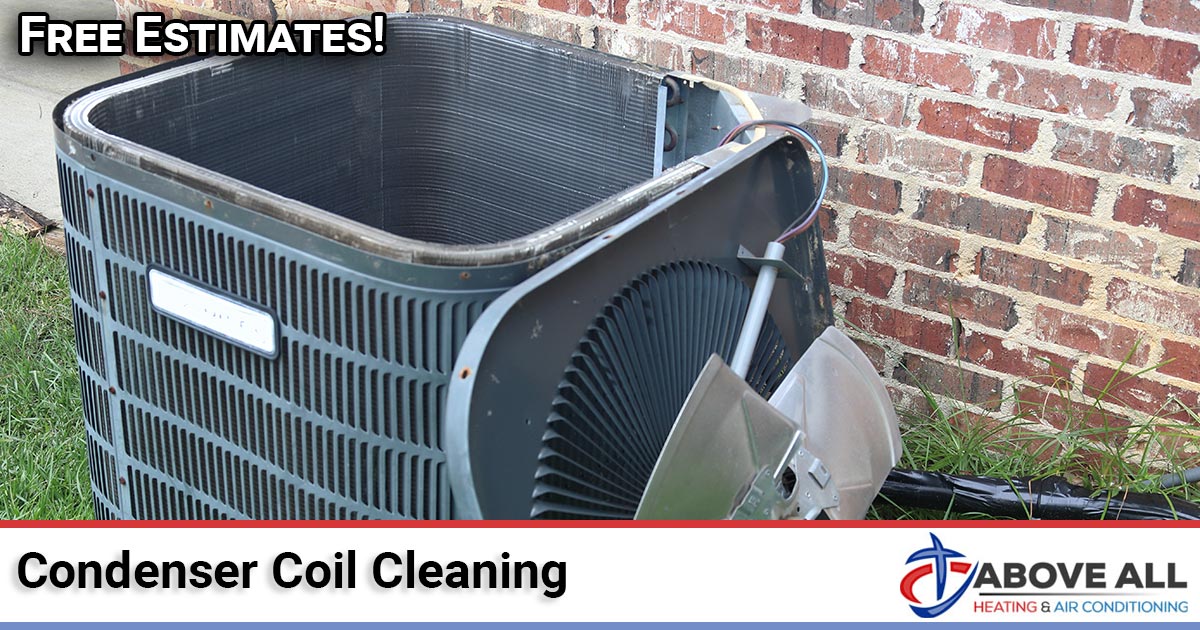
If your air conditioner has been running longer and longer just to hit the same temperature on the thermostat, the problem might not be inside your home at all. It might be sitting outside, in the metal cabinet next to your house, coated in a season’s worth of dust, pollen, and grass clippings. That outdoor unit houses your condenser coil, and when it gets dirty, your entire cooling system pays the price.
At Above All Heating and Air, condenser coil cleaning is one of the simplest, most cost-effective things a Southern California homeowner can do to protect their AC’s performance and extend its working life. It doesn’t get the attention that a broken compressor or a refrigerant leak does, but neglecting it is one of the most common ways homeowners end up facing exactly those bigger, more expensive problems down the road.
What Is a Condenser Coil and What Does It Do?
Your air conditioning system has two coils: an evaporator coil inside your home, and a condenser coil in the outdoor unit. The evaporator coil absorbs heat from the air inside your house. That heat is carried outside through the refrigerant line to the condenser coil, where it needs to be released into the outdoor air before the refrigerant cycles back inside to absorb more heat.
That release only happens efficiently if air can move freely across the coil’s surface. The condenser coil is built with thin metal fins wrapped around refrigerant tubing specifically to maximize the surface area exposed to outdoor air, which lets heat transfer quickly. When that surface is covered in dirt, pollen, or debris, it acts like a blanket, trapping heat instead of releasing it.
Why a Dirty Condenser Coil Hurts Your AC’s Performance
A coil that can’t release heat efficiently forces the rest of the system to compensate. Homeowners typically notice the effects in a few ways:
- Higher energy bills. The compressor has to run longer, and work harder, to move the same amount of heat outside. That translates directly into higher electricity costs.
- Weaker cooling. Even with the system running constantly, indoor temperatures may lag behind the thermostat setting, especially during peak-heat afternoons.
- Higher refrigerant pressures and temperatures. A blocked coil raises the head pressure the compressor has to work against, which increases wear on internal components.
- More frequent breakdowns. Components that run hotter and under more strain for longer periods fail sooner, often at the worst possible time.
None of these effects happen overnight. A condenser coil accumulates buildup gradually, which is part of why the performance loss can be easy to miss until a utility bill or a summer heat wave makes it obvious.
What Causes a Condenser Coil to Get Dirty?
Southwest Riverside County’s climate and landscaping create ideal conditions for coil buildup. Common contributors include:
- Windblown dust and dry soil, especially during Santa Ana wind events
- Pollen from nearby trees, shrubs, and seasonal blooms
- Grass clippings and lawn debris from mowing near the unit
- Cottonwood seed fluff and other fine plant fibers that cling to the fins
- General airborne dirt that settles on the coil between rain events
Homes near open land, golf courses, or dry hillsides tend to see buildup accumulate faster than homes in more sheltered, landscaped neighborhoods, simply because there’s more airborne material moving through the area. Even homes with well-maintained landscaping aren’t immune, since regular mowing and trimming near the outdoor unit can send small clippings and dust directly onto the coil each time the lawn is cut.
How Often Should You Clean the Condenser Coil?
For most homes in our service area, an annual professional cleaning, done in spring before peak cooling season, is enough to keep the coil performing well. Homes in dustier locations, or those with heavy landscaping or lawn maintenance activity nearby, often benefit from a mid-summer check as well, since a coil that starts the season clean can still accumulate a meaningful amount of debris over a few months of continuous run time.
Coil cleaning is also one of the core steps included in a standard AC tune-up, which is why homeowners on an annual or biannual maintenance schedule typically don’t need to think about it separately. If you’re not currently on a maintenance plan, our HVAC maintenance services page outlines what’s included and how often we recommend service for local homes.
Signs Your Condenser Coil Needs Cleaning
Between scheduled maintenance visits, a few warning signs can tell you the coil needs attention sooner rather than later:
- Visible dirt, dust, or plant debris built up on the outdoor unit’s fins
- Reduced airflow or weaker cooling compared to earlier in the season
- A noticeable increase in your cooling bill without a change in usage
- The outdoor unit running for unusually long stretches without cycling off
- Warm air coming from vents that used to blow cold reliably
If you notice any of these signs, it’s worth having the coil inspected before the issue compounds into a larger repair.
DIY Coil Care: What Homeowners Can Safely Do
Basic upkeep between professional visits can help slow down buildup:
- Turn off power to the unit at the disconnect switch or breaker before doing anything near the coil
- Clear leaves, grass clippings, and debris from around the base of the unit
- Trim back plants and shrubs so there’s at least two feet of clearance on all sides for airflow
- Gently rinse the exterior fins with a garden hose on a light setting, spraying from the inside out if the panel allows safe access
What homeowners should avoid: using a pressure washer, which can bend the thin aluminum fins and reduce airflow even further; using harsh chemical cleaners not designed for HVAC coils; and removing panels or accessing internal components without training. Bent fins and damaged coils are difficult and often costly to repair, so when in doubt, it’s better to leave a deeper clean to a professional.
Why Professional Condenser Coil Cleaning Matters
A professional cleaning goes well beyond a garden-hose rinse. Our technicians use coil-safe cleaning solutions designed to break down grease, pollen, and grime without damaging the fin surface, along with specialized tools like fin combs to straighten bent fins and restore proper spacing for airflow. During a visit, we also inspect the coil for early signs of corrosion, check refrigerant pressures to confirm the system is operating within normal range, and look at the surrounding components, like the fan motor and electrical connections, that work alongside the coil.
Because coil cleaning is bundled into a standard tune-up rather than billed as a standalone emergency service, it’s one of the more affordable ways to protect a system that would otherwise cost far more to repair or replace after months of strain. If you’d like a quote or want to get on the schedule, our team is easy to reach through the contact page.
What to Expect During a Professional Coil Cleaning Visit
Homeowners scheduling their first tune-up sometimes aren’t sure what a coil cleaning appointment actually involves. The process typically starts with the technician shutting off power to the outdoor unit and removing the protective panel to access the coil directly. From there, loose debris like leaves and grass clippings is cleared away by hand before a coil-safe cleaning solution is applied to break down the finer layer of dust, pollen, and grime that’s worked its way into the fins.
After the solution has time to work, the coil is rinsed clean, and the technician checks the fins for any bent or crushed sections, using a fin comb to straighten them and restore proper spacing where needed. Bent fins might seem like a minor cosmetic issue, but they physically block airflow in the same way dirt does, so this step is just as important as the cleaning itself. Once the coil is clean and the fins are straight, the technician typically checks refrigerant pressures and takes a look at the fan motor, electrical connections, and condensate drain, since these components work in tandem with the coil and can reveal early signs of wear during the same visit.
The entire process is far less invasive than most homeowners expect, and it’s one of the few maintenance tasks where the improvement in system performance is often noticeable within the same day, particularly if the coil had gone uncleaned for an extended stretch.
Condenser Coil Cleaning and Your AC Unit’s Lifespan
Most residential air conditioning systems are built to last a decade or more with proper care, but that lifespan assumes the system isn’t spending years running under unnecessary strain. A dirty coil doesn’t just cost more to run in the short term, it also shortens the compressor’s working life, since that’s the component absorbing most of the added stress from restricted heat transfer. Keeping the coil clean is one of the lowest-cost, highest-impact steps a homeowner can take to protect that investment and avoid an early, unplanned replacement.
If it’s been a while since your system’s last maintenance visit, or you’re not sure when the coil was last cleaned, reach out to Above All Heating and Air and we’ll take a look and let you know exactly where things stand.
Frequently Asked Questions
How often should the outdoor condenser coil be cleaned?
Most homes in our service area do well with one professional cleaning per year, ideally in spring before peak summer heat. Homes in dustier or heavily landscaped areas may benefit from a mid-summer check as well.
What happens if a dirty condenser coil is left uncleaned?
The system has to work harder to release heat, which raises energy bills, reduces cooling capacity, and increases wear on the compressor, potentially leading to more frequent repairs or a shortened system lifespan.
Can I clean the condenser coil myself, or does it need a pro?
Basic upkeep, like clearing debris and gently rinsing the exterior fins with a garden hose, is safe for most homeowners. Deeper cleaning with coil-safe solutions, fin straightening, and internal inspection is best left to a trained technician.
Does coil cleaning affect my system’s energy bills?
Yes. A clean coil transfers heat more efficiently, which means the compressor doesn’t have to run as long or as hard to cool your home, directly reducing energy consumption.
Is condenser coil cleaning included in a maintenance visit?
Yes, coil cleaning is a standard part of a professional AC tune-up, along with filter checks, refrigerant level inspection, and electrical component testing.
How can I tell if my condenser coil is dirty without opening the unit?
Visible dust or debris on the outdoor fins, weaker cooling performance, longer run times, and rising energy bills without a change in usage are all common indicators.
Can a pressure washer be used to clean a condenser coil?
No. Pressure washers can bend the thin aluminum fins on the coil, which reduces airflow and can make the problem worse rather than better. A gentle garden hose rinse is a safer DIY option.
What’s the difference between the condenser coil and the evaporator coil?
The evaporator coil, located inside your home, absorbs heat from indoor air. The condenser coil, located in the outdoor unit, releases that absorbed heat into the outside air. Both need to stay clean for the system to run efficiently.
Why does my outdoor AC unit collect so much debris?
Windblown dust, pollen, grass clippings, and fine plant fibers all settle on the coil’s fins over time. Homes near open land, hillsides, or heavy landscaping tend to accumulate buildup faster.
Will a dirty coil cause my AC to break down completely?
A dirty coil alone rarely causes an immediate breakdown, but the added strain on the compressor and other components significantly raises the risk of a failure over time, especially during peak summer demand.
How much clearance should I leave around my outdoor AC unit?
We recommend at least two feet of clearance on all sides, with plants and shrubs trimmed back so air can move freely across the coil.
Does condenser coil cleaning help extend the life of my AC unit?
Yes. Reducing the strain on the compressor and other components through regular coil cleaning is one of the most effective ways to help a system reach or exceed its expected lifespan.
Can a dirty condenser coil cause higher refrigerant pressure?
Yes. Restricted airflow across the coil raises head pressure, which forces the compressor to work against more resistance than it’s designed for.
Is condenser coil cleaning different from AC coil cleaning in general?
Not fundamentally, but “AC coil cleaning” can refer to either the condenser coil outside or the evaporator coil inside. Both benefit from regular cleaning, though the condenser coil is more exposed to outdoor debris and typically needs attention more often.
What time of year is best for condenser coil cleaning?
Spring, before the cooling season ramps up, is the ideal time for most homes. It ensures the system starts summer with clean, efficient coils rather than catching up after weeks of heavy use.
Can dirty coils cause water leaks or drainage issues?
A dirty condenser coil itself isn’t a common cause of water leaks, but restricted airflow and higher operating strain can contribute to broader system inefficiencies that sometimes show up alongside other maintenance issues.
Does Above All Heating and Air offer condenser coil cleaning as a standalone service?
Coil cleaning is typically included as part of our standard AC tune-up and maintenance visits. Reach out through our contact page and we can walk you through what’s included and schedule a visit.
How long does professional condenser coil cleaning take?
As part of a standard tune-up visit, coil cleaning usually adds a modest amount of time to the overall service, which typically runs about an hour depending on the system’s condition and how much buildup has accumulated.
Schedule an Appointment Today
Get in touch with Above All Heating and Air Conditioning by calling us or filling out the form. We look forward to working with you.
